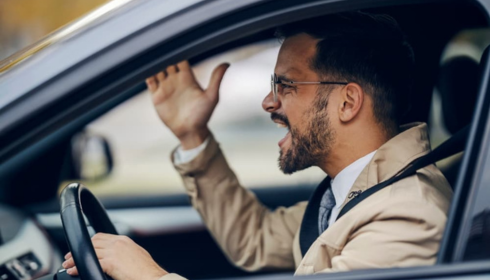
If you spend any time on New York City roads, whether you’re driving, cycling, or riding a motorcycle, you’ve probably seen it: someone tailgating through Midtown traffic, cutting across lanes on the BQE, or honking aggressively at a red light in Queens. Most people shrug it off. But sometimes, that kind of aggressive driving doesn’t just stay stressful; it causes a crash. And when it does, it can quickly become a legal case that people end up discussing with a Bronx car accident lawyer to figure out what actually happened and who’s responsible. Not only is road rage offensive behavior on the roads of New York City, but sometimes it has legal implications and can change an otherwise straightforward case. Here are some ways this can happen.
When Aggressive Driving Crosses the Legal Line
Not every impatient driver is legally at fault just for being rude, but New York law does take aggressive driving seriously when it creates danger. Under the New York Vehicle and Traffic Law § 1212, “reckless driving” is defined as operating a vehicle in a way that unreasonably interferes with the free and proper use of the roadway or unreasonably endangers other users. That includes behaviors like speeding through traffic just to intimidate another driver, or weaving aggressively to “teach someone a lesson.”
Now picture this: you’re riding your bike through Brooklyn traffic, staying in your lane, when a driver suddenly swerves close to you after an argument at a light. Even if they don’t physically hit you, that close call alone could support a civil claim if it caused injury or a crash.
This is when the issue transforms into an actual lawsuit case rather than a simple debate regarding traffic matters against the offending driver. Aggressive driving can lead to negligence, which is basically the failure to exercise reasonable care. If negligence is present, then the possibility of compensation is also present.
Road Rage, Negligence, and Who’s Really to Blame?
In the state of New York, comparative negligence is applied, according to CPLR § 1411. This indicates that liability may be allocated between multiple parties based on their contribution to the occurrence of the accident. In the event of road rage, this factor is important because road rage can distort perceptions. Such as:
- A driver abruptly applies his/her brakes while driving in traffic on the FDR Drive
- The vehicle behind him/her is tailgating aggressively
- An accident happens
At first glance, both drivers may have contributed to the crash. The lead driver may be partially responsible for sudden braking, while the trailing driver may be more responsible for following too closely. Now add road rage into the mix. If the trailing driver was intentionally intimidating or aggressively pursuing the other vehicle, that behavior can increase their share of liability significantly.
This is where legal representation often becomes important. A Queens car accident lawyer handling these cases will typically look beyond the crash itself and examine patterns of behavior, dashcam footage, witness statements, and even traffic camera data to determine whether aggressive intent played a role. And in more severe cases, road rage incidents can escalate beyond negligence into intentional conduct, which can affect both civil claims and potential criminal charges.
Riders Are Especially Vulnerable in NYC Traffic Conflicts
Motorcyclists and cyclists are disproportionately affected by aggressive driving in New York City. Unlike cars, they don’t have protective barriers, which means even a “minor” encounter can result in serious injuries. For instance, a motorcyclist filtering through stalled traffic on the West Side Highway might encounter a driver who suddenly blocks their lane in frustration. If that action leads to a collision, the legal analysis goes beyond basic accident reconstruction. It may also involve questions of intent, visibility, and road-sharing behavior.
When such a thing occurs, the Brooklyn car accident lawyer will be concerned about whether the driver breached his duty of reasonable care in the situation, which is to say he acted aggressively while sharing the road with other drivers. It’s important to note that under New York law, everyone is expected to use “reasonable care.”
In addition, road rage can also affect insurance claim settlements. This is because insurers look at whether the actions of the driver were reckless and intentional; most insurance plans exclude liability for damages if such was the case.
What You Should Do If Aggressive Driving Leads to a Crash
If you’re involved in an incident where road rage or aggressive driving played a role, the immediate aftermath matters more than most people realize. Start with safety and documentation. Move to a safe location if possible, and call emergency services if anyone is injured. In NYC, police reports often include observations about driver behavior, which can be important later when establishing fault.
Next, gather as much evidence as you can:
- Photos of vehicle positions and damage
- Any dashcam or phone footage
- Witness contact information
- Details about the other driver’s behavior (words, gestures, driving patterns)
Medical attention should also come quickly. Even if injuries seem minor, adrenaline can mask symptoms like whiplash, concussions, or soft tissue damage. Having a medical record tied to the incident helps establish a clear connection between the crash and your injuries.
It’s also important to understand timing. Under New York law (CPLR § 214), most personal injury claims must be filed within three years. But evidence of aggressive driving, especially video footage, can disappear much sooner, sometimes within days.
Conclusion: When Emotion on the Road Becomes Legal Responsibility
Road rage in NYC isn’t just a moment of frustration; it can become a legal factor that shapes liability, insurance coverage, and compensation. What starts as aggressive driving can quickly turn into a negligence case, especially when vulnerable road users like cyclists and motorcyclists are involved.
The key takeaway is that intent and behavior matter just as much as the crash itself. Courts don’t just look at who hit whom; they look at how and why it happened. And in a city as fast-paced and congested as New York, that context can make all the difference. If there’s one thing to remember, it’s that aggressive driving isn’t just dangerous; it can have lasting legal consequences that extend far beyond the moment of impact.